
The Future of Alzheimer’s: Real Progress or False Hope?
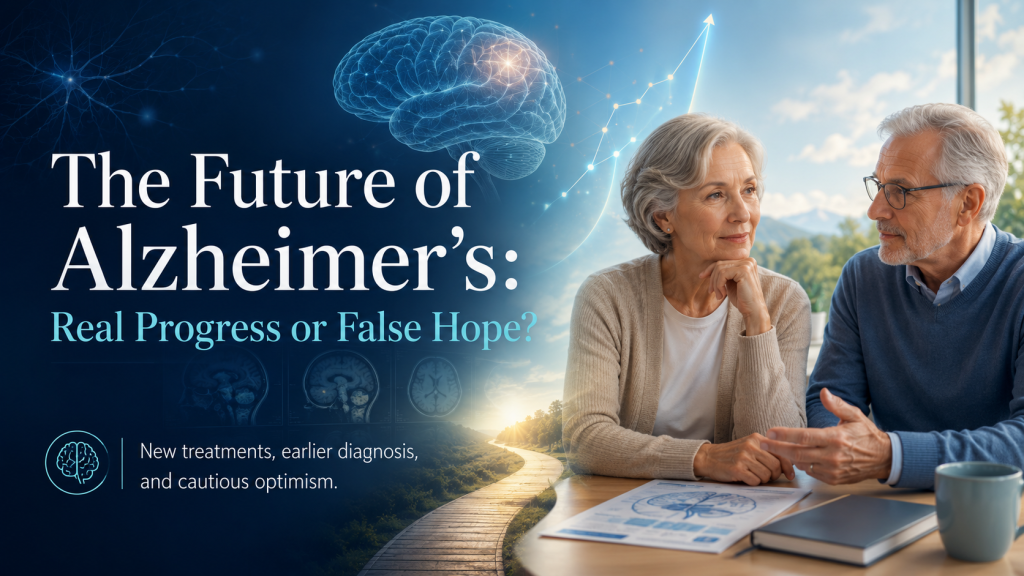
For decades, Alzheimer’s disease has seemed like one of medicine’s most stubborn enemies. Cancer treatments improved. Heart disease became more preventable. Hepatitis C went from a lifelong infection to something medicine can often cure. But Alzheimer’s? For millions of families, the answer seemed to remain the same: We can diagnose it. We can manage some […]
The New Cholesterol Pill: Could Prevention Be the Next Heart Medicine Revolution?
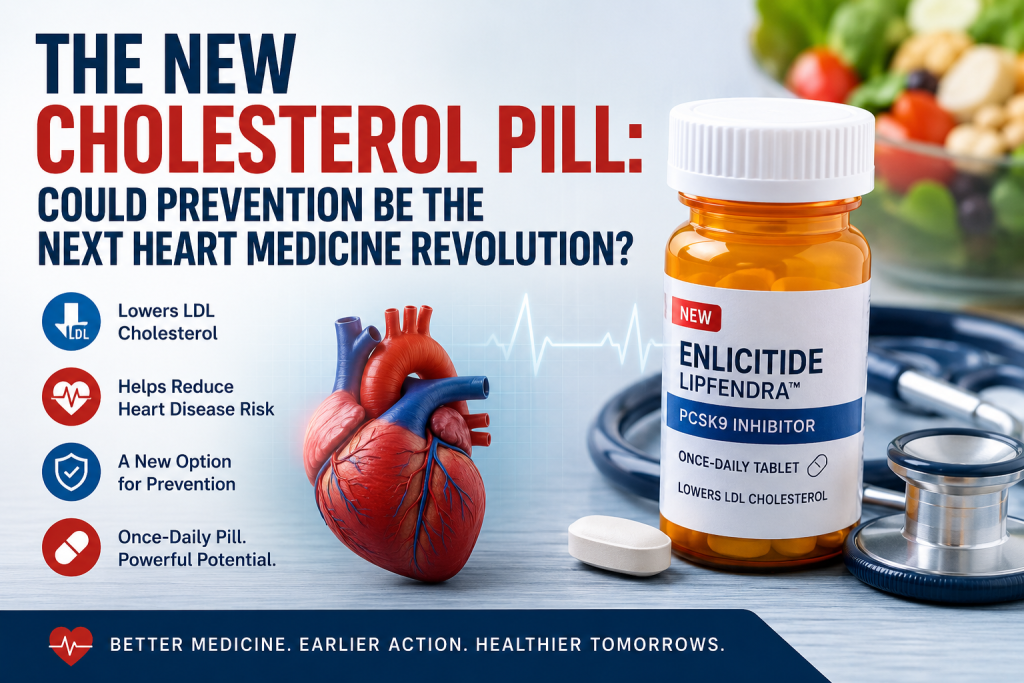
For most of our lives, heart medicine has been associated with what happens after something goes wrong. A heart attack. A blocked artery. A stent. Bypass surgery. A trip to the emergency room nobody had scheduled. Modern cardiology has become remarkably good at rescuing people once heart disease announces itself. But an even bigger revolution […]
Medicines That Slow Aging: What’s Real and What’s Hype?

For as long as human beings have grown old, we have searched for ways to slow aging. In ancient times, people searched for fountains of youth. Today, we have podcasts, supplements, injections, longevity clinics, and Internet advertisements promising almost the same thing—only with better graphics. So let’s begin with the most important fact: As of […]
Vaccines That May Prevent Cancer: The Future of Cancer Prevention Is Already Beginning
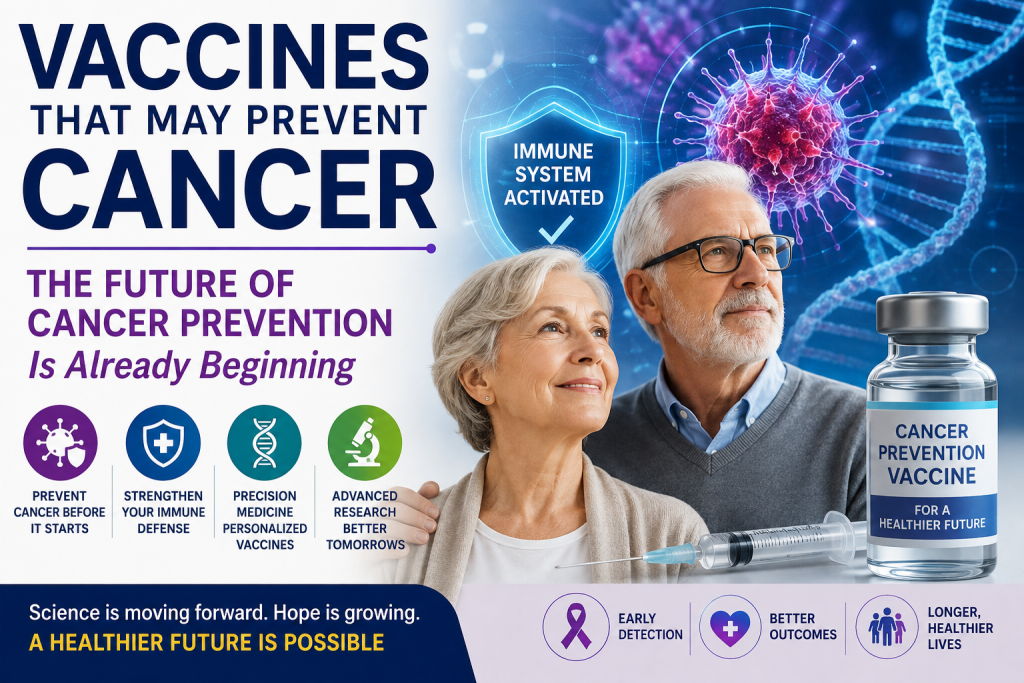
For most of our lives, the word vaccine has meant preventing an infectious disease. Polio. Measles. Flu. COVID. But scientists are now asking a remarkable question: Could we someday vaccinate people against cancer? The answer is more complicated—and more exciting—than it may first appear. In fact, vaccines already prevent some cancers today. Researchers are also […]
How Precision Medicine Is Replacing One-Size-Fits-All Care

For most of medical history, treatment has followed a familiar formula: A patient develops a condition. The doctor selects the treatment that works for the greatest number of people. If it does not work, another treatment is tried. That approach has saved countless lives, but it has an obvious weakness: People are not identical. Two […]
The New World of Diabetes Treatment

For decades, diabetes treatment followed a fairly predictable script. A person was told to improve their diet, exercise more, lose weight, take metformin, and return in a few months for another blood test. If blood sugar continued climbing, the doctor added another medication. Eventually, insulin might enter the picture. That basic approach helped millions of […]
How Robots Are Transforming Surgery
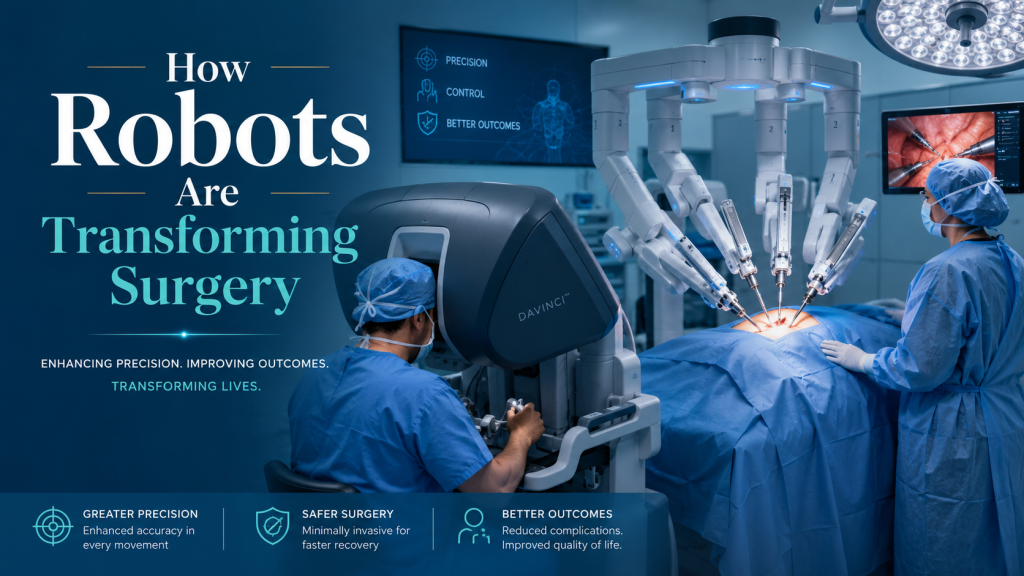
The phrase “robotic surgery” can make it sound as though a metal machine walks into the operating room, puts on a mask, and tells the surgeon to take the afternoon off. That is not what happens. In most robotic-assisted operations today, the surgeon remains completely in control. The robot does not independently decide where to […]
How to Survive Gray Divorce: Rebuilding Security, Purpose, and Connection After 50
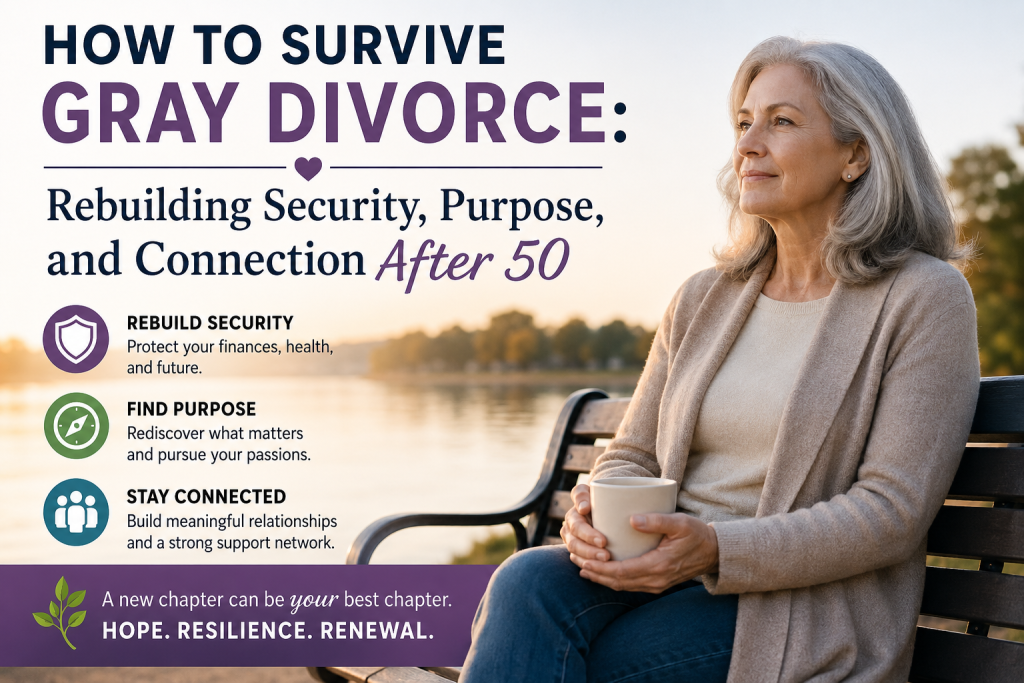
Divorce is difficult at any age. But divorce after 50—often called gray divorce—creates a different set of challenges. You may not be arguing about child custody or who keeps the swing set. Instead, you may be dividing retirement accounts, deciding what happens to the family home, reconsidering your healthcare, and wondering who will be there […]
The Illusion of Days: Why Your Life Is Really One Continuous Now
We speak of life as though it were divided into neat little boxes. Yesterday is finished. Today is happening. Tomorrow is waiting around the corner. We mark birthdays, anniversaries, holidays, Mondays, Fridays, beginnings, endings, good years and bad years. We hang calendars on the wall and allow those calendars to organize nearly everything we do. […]
The Future of Vision Restoration: Can Science Help People See Again?

For most of history, permanent vision loss carried a harsh finality. Doctors might slow the damage. Glasses could sharpen blurry vision. Cataract surgery could replace a cloudy lens. Rehabilitation could help people adapt. But once the retina, optic nerve, or other critical parts of the visual system were badly damaged, restoring useful sight often seemed […]