
You Don’t Have to Win Every Battle Anymore
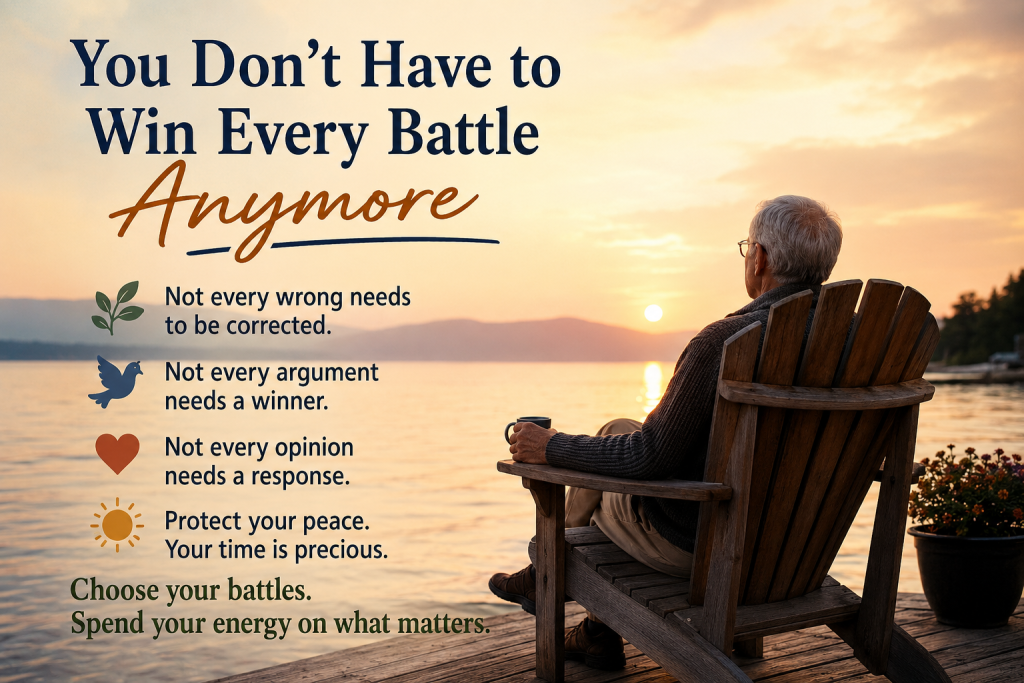
There comes a point in life when you begin to realize something rather liberating: You do not have to win every battle anymore. You do not have to correct every person who is wrong. You do not have to attend every argument you are invited to. You do not have to prove that your memory […]
You’re Not Too Old — You’re Too Comfortable
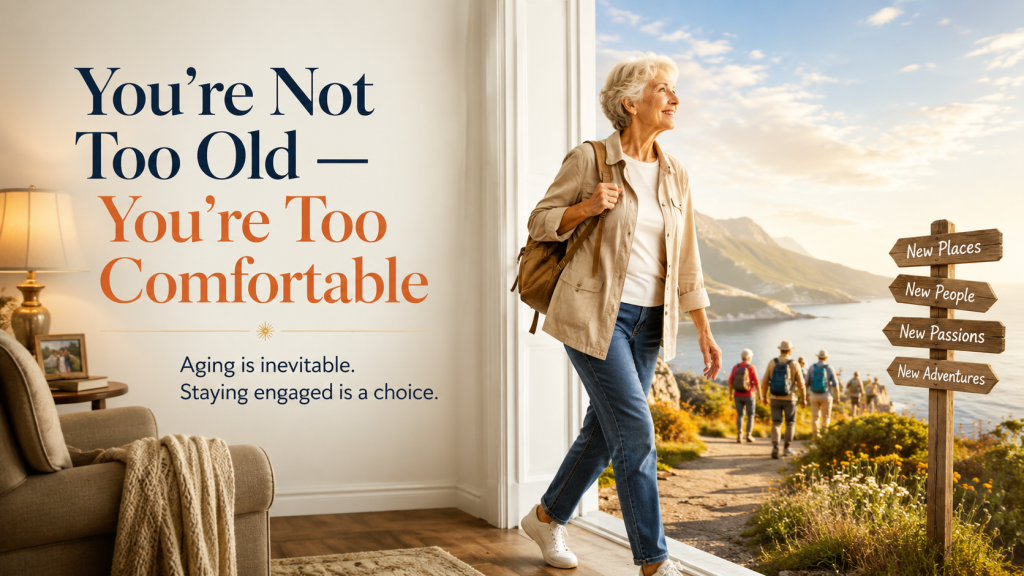
There is a sentence older adults hear far too often: “At your age…” At your age, maybe you should slow down. At your age, maybe you shouldn’t travel alone. At your age, maybe you shouldn’t start a business. At your age, maybe you shouldn’t date again. At your age, maybe you should just be grateful […]
The Power of Being Present
One of the strange things about growing older is that we finally have enough experience to understand how valuable time is — just as we begin to realize it is not unlimited. When we were young, we spent enormous amounts of time thinking about tomorrow. What will I become? Where will I live? Will I […]
The Price of Companionship

Loneliness, Money, and the Search for Genuine Love in Elderhood There is a side of growing older that we do not talk about enough. It is not Medicare. It is not blood pressure. It is not whether we should eat more blueberries. It is companionship. More specifically, what companionship begins to mean when we are […]
What Are You Still Carrying That You Could Put Down?
By the time we reach our 60s, 70s, or 80s, most of us have accumulated more than photographs, furniture, and old tax returns. We have also accumulated emotional luggage. Regrets. Old arguments. Disappointments. Guilt. Resentments. Obligations we never really wanted. Expectations we inherited from other people. Stories about ourselves that may have been true 30 […]
The Art of Growing Older Without Becoming Old
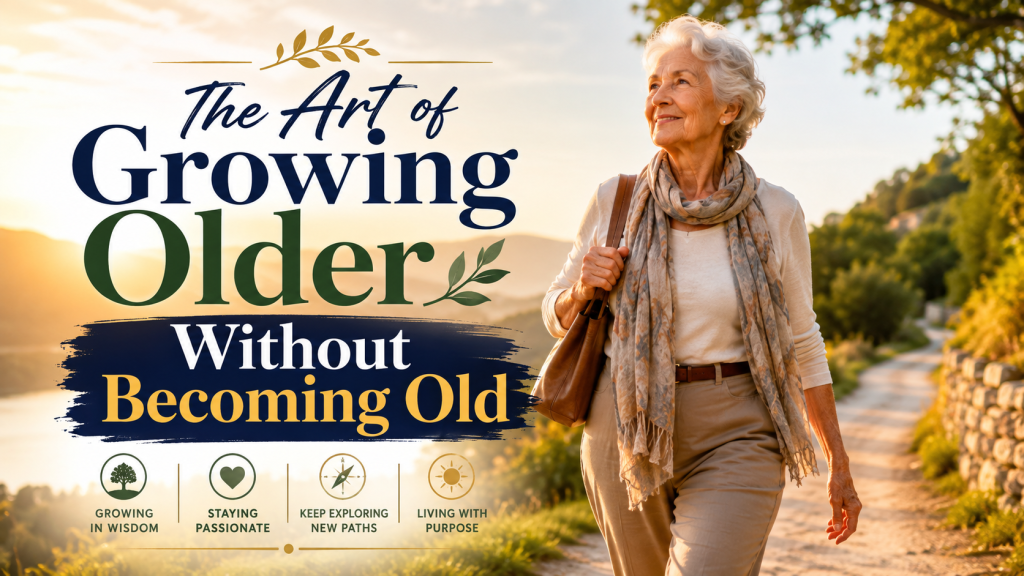
There is a difference between growing older and becoming old. Growing older is unavoidable. The calendar takes care of that without asking our permission. Every birthday arrives right on schedule whether we are ready for it or not. But becoming old? That is more complicated. You can meet someone in their 80s who is curious, […]
Are You Living or Just Passing Time?
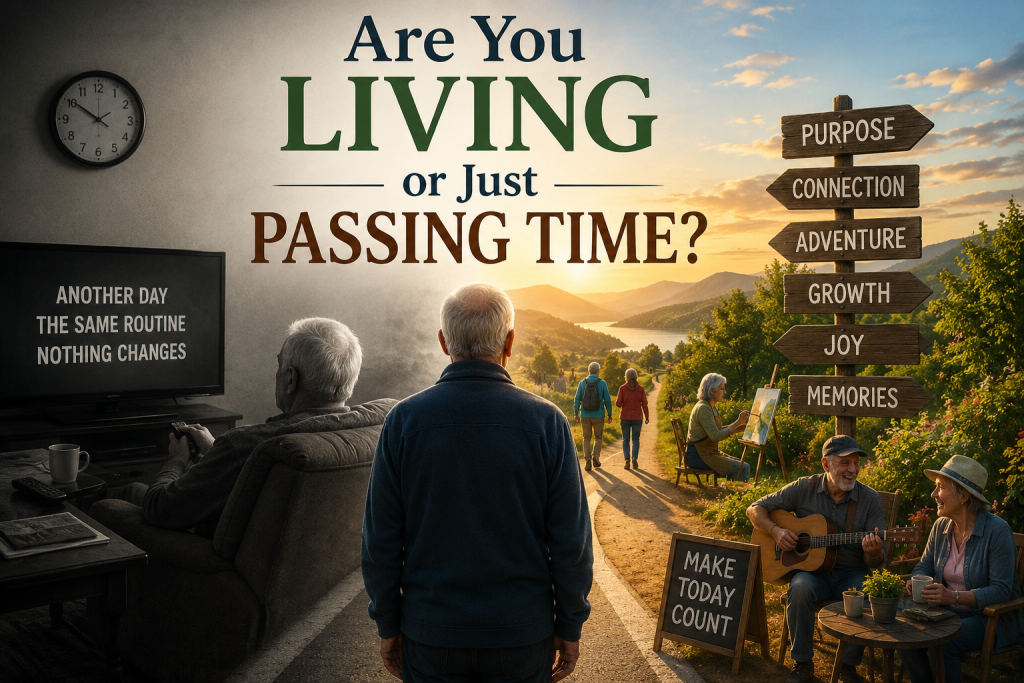
There is a peculiar thing about getting older. When we’re young, we worry about not having enough time. Later in life, we may discover an entirely different problem: Having time isn’t the same as using it. You can wake up every morning, eat breakfast, check the news, answer a few messages, watch television, run an […]
The Danger of Growing Old and Set in Your Ways
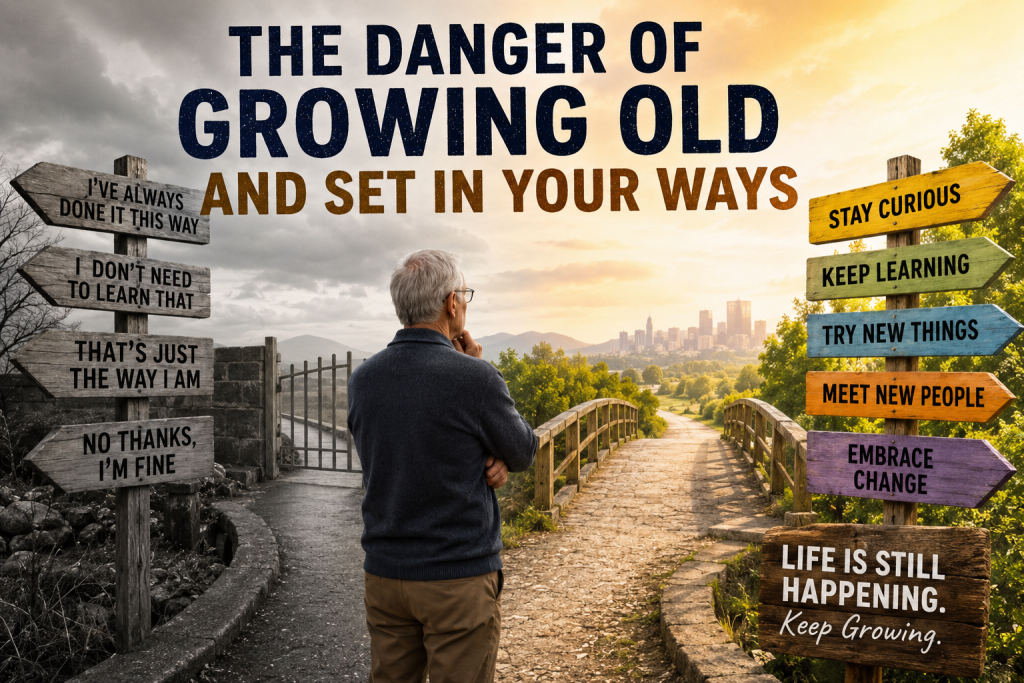
There is an old expression that says, “You can’t teach an old dog new tricks.” It may be catchy, but it is also a terrible philosophy for growing older. One of the greatest dangers of the senior years is not simply physical decline. It is the possibility that we gradually stop changing. We stop trying […]
The New Cholesterol Pill: Could Prevention Be the Next Heart Medicine Revolution?

For generations, heart disease has often been treated after trouble becomes obvious. A blocked artery. Chest pain. A heart attack. A stent. By then, medicine may be fighting a battle that has been developing quietly for decades. But a new generation of cholesterol-lowering drugs raises a much more interesting possibility: What if we could become […]
The Choices That Shape Your Senior Years
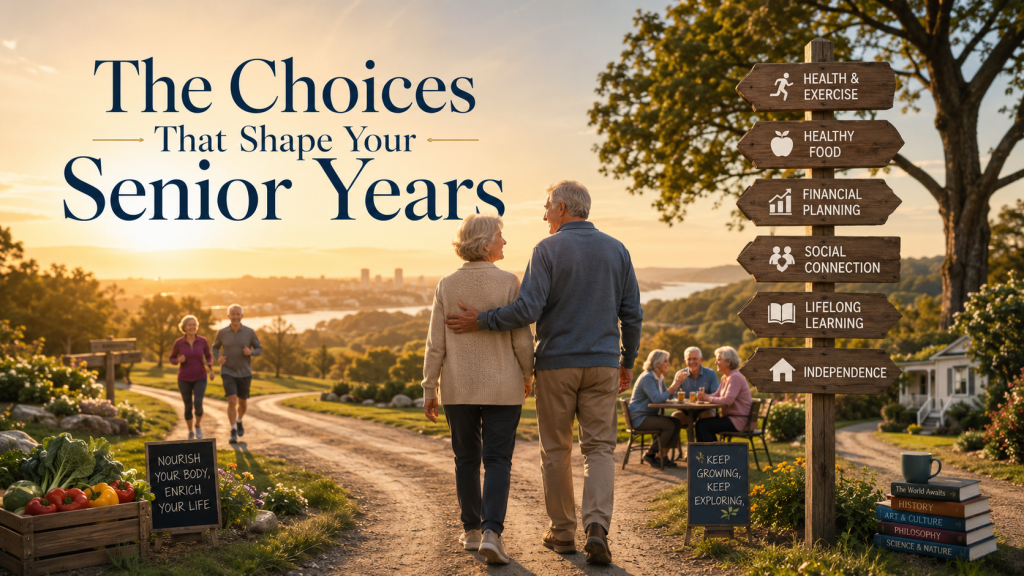
Growing older is inevitable. How we grow older is influenced by something much less automatic: the choices we make along the way. That does not mean we control everything. We do not. Genetics matter. Illness happens. Accidents happen. Economies change. Families change. Sometimes life hands us circumstances we never asked for and certainly would not […]