
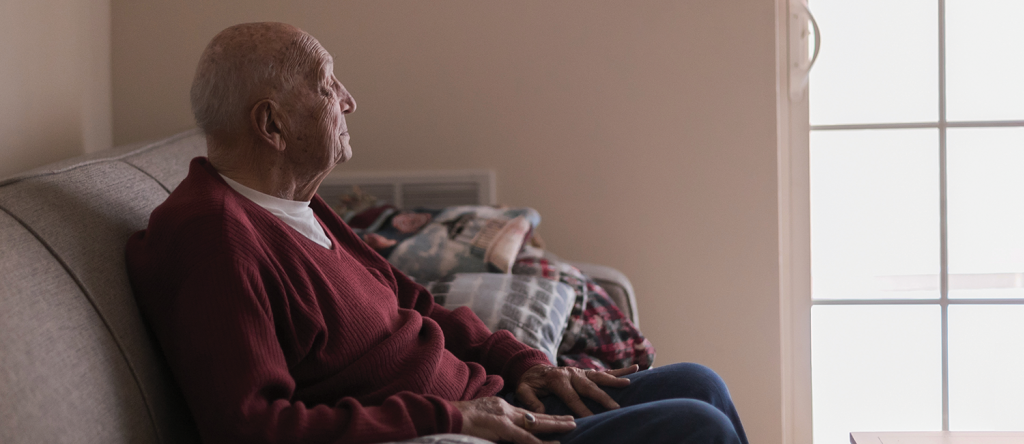
If loneliness were a disease, it would be treated as a public health emergency.
But because it doesn’t show up on X-rays or blood tests, it gets dismissed, minimized, or wrapped in soft language that avoids the truth. For seniors especially, loneliness is one of the most dangerous, underestimated, and misunderstood risks of this stage of life.
Not sadness.
Not depression.
Loneliness.
And no, it’s not the same thing as being alone.
Loneliness Is Not About Being Alone
This is where most conversations go wrong.
Many seniors live alone and feel perfectly fine.
Others are surrounded by people and feel deeply lonely.
Loneliness is not about physical presence.
It’s about felt connection.
It’s the sense that:
- No one really sees you anymore
- No one needs your input
- No one is curious about your inner life
That erosion happens quietly. Gradually. And often invisibly.
Why Loneliness Increases After 60
Loneliness after 60 is not a personal failure. It’s the result of multiple losses stacking up.
Social Structures Collapse
As people age, the systems that once created automatic connection disappear:
- Work ends
- Children move away
- Friends relocate, fall ill, or pass on
- Neighborhoods change
What remains is unstructured time without built-in social roles.
For the first time, connection requires deliberate effort—and that can be exhausting.
Identity Shifts Faster Than Support
For decades, many people were known as:
- The provider
- The parent
- The professional
- The problem-solver
After 60, those identities fade faster than new ones form.
When identity weakens, connection weakens with it.
People don’t always know how to relate to you anymore—and you may not know how to relate to yourself.
Why Loneliness Is a Health Risk, Not Just an Emotional One
This is where the conversation gets serious.
Loneliness is associated with:
- Increased risk of heart disease
- Higher rates of cognitive decline
- Greater inflammation
- Weakened immune response
- Shortened lifespan
But here’s the key point:
Loneliness doesn’t just accompany poor health.
It accelerates it.
When people feel disconnected:
- They move less
- Eat worse
- Sleep poorly
- Delay medical care
- Lose motivation
Loneliness changes behavior. Behavior changes health outcomes.
The Loneliness No One Notices
The most dangerous loneliness is not dramatic.
It looks like:
- “I don’t want to bother anyone.”
- “Everyone else is busy.”
- “I’ll just handle it myself.”
- “This is just how it is now.”
This quiet withdrawal often gets mistaken for independence or strength.
In reality, it’s often emotional hibernation.
Why Seniors Don’t Talk About Loneliness
Many seniors were raised in cultures that valued:
- Self-reliance
- Privacy
- Emotional restraint
Admitting loneliness can feel like:
- Weakness
- Burdening others
- Loss of dignity
So instead of saying “I’m lonely,” people say:
- “I’m fine.”
- “I keep busy.”
- “I don’t need much.”
And the issue goes unaddressed.
Loneliness vs. Solitude (They Are Not the Same)
This distinction matters.
Solitude is chosen.
It can be restorative, creative, peaceful.
Loneliness is imposed.
It feels empty, heavy, and draining.
Many seniors enjoy solitude—but suffer from loneliness.
Confusing the two leads to misunderstanding and neglect.
Technology Helps—and Fails—At the Same Time
Technology promised connection. And sometimes it delivers.
Video calls, messaging, and online communities can be lifelines. But they can also:
- Replace deeper interaction
- Create illusion of connection
- Highlight absence rather than fill it
Scrolling is not connection.
Consumption is not belonging.
Used intentionally, technology can support Elderhood. Used passively, it often worsens isolation.
Loneliness Is Often Triggered by Transitions
Certain moments sharply increase loneliness risk:
- Retirement
- Widowhood
- Relocation
- Illness
- Loss of driving ability
These transitions shrink social worlds overnight.
The danger is not the transition itself—but the lack of rebuilding afterward.
Why Family Alone Is Not Enough
This is uncomfortable, but necessary to say.
Family relationships change with age:
- Adult children are busy
- Grandchildren grow up
- Roles reverse
Family matters deeply—but it cannot meet all emotional needs.
Expecting family to replace friendships, peer connection, and shared experience sets everyone up for disappointment.
Elderhood requires multiple layers of connection, not a single source.
The Myth of “Staying Busy”
Staying busy is often offered as the solution to loneliness.
It’s not.
Activity without connection is just distraction.
You can:
- Volunteer
- Exercise
- Travel
- Stay productive
And still feel lonely if there is no emotional reciprocity.
Loneliness is not cured by filling time.
It’s eased by shared meaning.
Why This Is an Elderhood Issue—Not an Aging Issue
Loneliness after 60 is not inevitable.
It becomes dangerous when people:
- Stop initiating
- Stop expecting connection
- Stop believing they matter
Elderhood reframes this stage of life as one where:
- Connection must be chosen intentionally
- Relationships are curated, not accidental
- Meaning replaces obligation
That shift requires awareness, not personality change.
Small Choices That Reduce Loneliness
This is not about joining everything or becoming extroverted.
Loneliness eases when people:
- Maintain one or two consistent touchpoints
- Engage in reciprocal relationships
- Speak honestly instead of politely
- Participate where they are needed, not just welcomed
Depth matters more than volume.
Why Loneliness Is So Dangerous to Ignore
Ignored loneliness does not stay static.
It hardens into:
- Cynicism
- Emotional numbness
- Withdrawal
- Physical decline
By the time it’s recognized as a problem, damage may already be underway.
That’s why awareness matters more than intervention.
Elderhood Calls for a New Conversation
We need a more adult conversation about loneliness.
One that:
- Removes shame
- Acknowledges reality
- Encourages agency
- Respects independence
Loneliness is not a character flaw.
It is a signal.
And signals are meant to be heard.
Final Thought: Connection Is Not Optional at This Stage
Food nourishes the body.
Movement maintains it.
Connection sustains it.
After 60, connection is not a luxury or a bonus feature of life.
It is a core health requirement.
Elderhood is not about pretending you don’t need anyone.
It’s about choosing connection consciously, without apology.
Because the greatest risk of this stage of life is not aging.
It’s disappearing quietly while still very much alive.