
Introduction: Nobody Told You This Part
You prepared for a lot in life.
Work.
Family.
Raising children.
Paying bills.
But nobody really prepared you for this stage.
Elderhood.
Not retirement. Not “getting older.”
Something deeper.
A stage of life where the rules quietly change.
And here’s the truth most people don’t say out loud:
Elderhood is not decline… unless you let it become decline.
The Lie We Were Told About Aging
For decades, society pushed a simple idea:
Aging equals slowing down.
Aging equals limitation.
Aging equals the end of something.
But look around.
Today’s seniors are:
- Traveling the world
- Starting businesses
- Learning new skills
- Staying active well into their 70s and 80s
So what happened?
The definition of aging changed.
But the mindset didn’t keep up.
Elderhood Is a Transition — Not an Ending
Every stage of life has a purpose.
Childhood: Learning
Adulthood: Building
Elderhood: Refining
This is the stage where:
- You know what matters
- You know what doesn’t
- You’ve lived enough to see patterns clearly
That’s not decline.
That’s perspective.

The Real Challenge of Elderhood
Let’s be honest for a moment.
The hardest part of this stage is not physical.
It’s emotional.
- Friends begin to disappear
- Family dynamics change
- The world feels faster and less familiar
- Technology moves ahead without asking permission
And if you’re not careful…
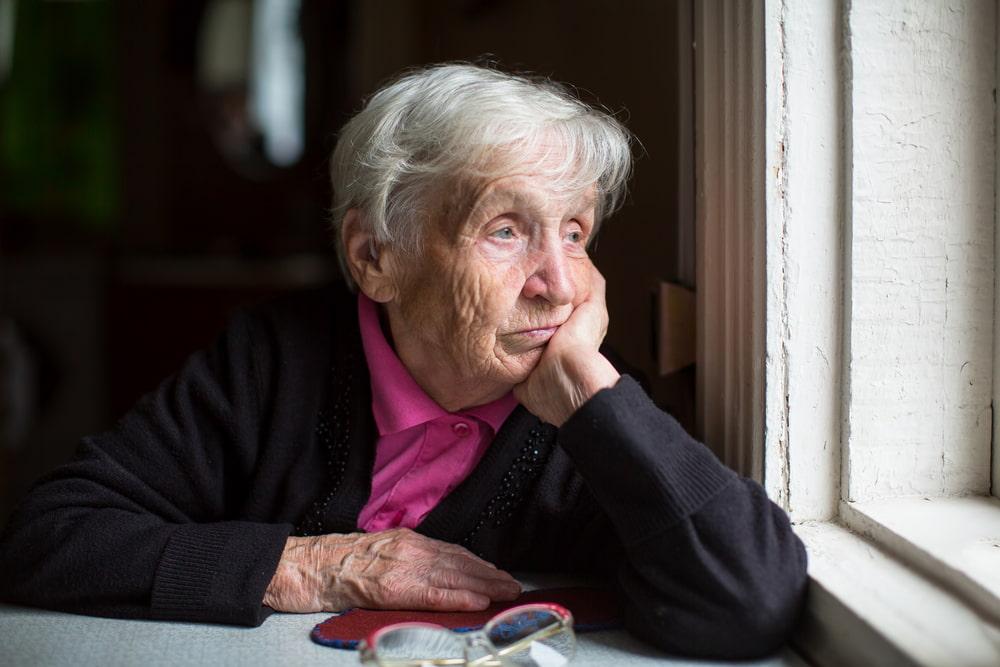
You start to withdraw.
The Danger of Withdrawal
This is where many people quietly lose something important.
Not their health.
Not their finances.
Their engagement with life.
It doesn’t happen all at once.
It happens gradually:
- Saying no more often
- Going out less
- Trying fewer new things
- Talking to fewer people
And before long, life becomes smaller.
The Turning Point: Staying in the Game
There’s a simple idea that changes everything:
Stay in the game.
You don’t have to run marathons.
You don’t have to be perfect.
You just have to remain engaged.
That means:
- Keep moving
- Keep learning
- Keep connecting
- Keep showing up
Because once you step out of the game, getting back in becomes harder.
The Mindset That Changes Everything
Here’s the shift.
Instead of asking:
“What can I still do?”
Ask:
“What do I want to do next?”
That small change matters.
Because it moves you from:
- Limitation → Possibility
- Looking back → Looking forward
The Power of Small Daily Decisions
Elderhood is not shaped by big moments.
It’s shaped by small, repeated choices.
- Do you get up and move?
- Do you reach out to someone?
- Do you try something new?
- Do you stay curious?
These decisions compound over time.
And they determine the quality of your life.
Why Purpose Matters More Than Ever
At this stage, purpose becomes essential.
Not a job.
Not a title.
Purpose.
It can be:
- Helping others
- Sharing your knowledge
- Creating something new
- Being present for family
Without purpose, days blur together.
With purpose, life regains direction.

The Truth About Loneliness in Elderhood
This is a difficult topic—but it needs to be said.
Loneliness is one of the biggest challenges seniors face today.
Not because people want to be alone.
But because:
- Social circles shrink
- Life changes
- Opportunities for connection decrease
The solution is not waiting.
It’s taking initiative.
Even when it feels uncomfortable.
Rewriting the Story of Aging
Here’s what most people never realize:
You still have authorship.
You still have the ability to shape your experience.
Elderhood is not something that happens to you.
It’s something you actively participate in.
A Practical Way Forward
Let’s keep this grounded.
Start simple:
- Take a daily walk
- Call someone you haven’t spoken to in a while
- Learn one new thing each week
- Say yes to something small but different
These are not dramatic changes.
But they keep life moving.

The Bottom Line
Elderhood is not the end of your story.
It’s a new chapter.
One that most people enter without preparation—but with enormous potential.
If you stay engaged, stay curious, and stay connected…
This can become one of the most meaningful stages of your life.
Read Other Blog :- Read Now
FAQ Section
1. What is Elderhood?
Elderhood is a stage of life beyond traditional adulthood, focused on reflection, purpose, and continued engagement rather than decline.
2. Is aging always associated with decline?
No. While physical changes occur, mindset and lifestyle play a major role in determining quality of life.
3. How can seniors stay active in Elderhood?
Through regular movement, social engagement, learning, and maintaining a sense of purpose.
4. Why do many seniors feel isolated?
Changes in social circles, family dynamics, and lifestyle can lead to reduced interaction and increased loneliness.
5. What is the most important factor for a fulfilling Elderhood?
Staying engaged with life—physically, mentally, and socially.
6. Can purpose improve quality of life in older age?
Yes. Having purpose provides direction, motivation, and emotional well-being.
7. Is it too late to start something new in Elderhood?
No. Many people begin new activities, hobbies, and even careers later in life.