
Severe weather is becoming more common, more intense, and more disruptive.
For seniors, storms are not just weather events. They are stress events.
And stress is one of the most overlooked triggers for heart attacks, strokes, dehydration, and medical emergencies in older adults.
Every major storm tells the same quiet story in emergency rooms.
Not just injuries, but spikes in cardiac events, especially among seniors.
The good news is this: most storm-related health risks for seniors are preventable with calm preparation and smart choices.
Why Storms Are Especially Risky for Seniors
As we age, the body becomes more sensitive to stressors such as:
- Sudden fear and uncertainty
- Disrupted routines and sleep
- Temperature extremes
- Dehydration
- Missed medications
- Physical overexertion
Stress raises blood pressure, tightens blood vessels, increases inflammation, and strains the heart. Combine that with poor sleep or dehydration, and the risk rises quickly.
Storm safety for seniors is not about panic.
It is about reducing stress before it harms the body.
One Step Seniors Should Take Immediately: Go to the Grocery Store Today
Do not wait until the last minute.
Last-minute shopping creates:
- Crowded stores
- Long lines
- Empty shelves
- Heightened anxiety
That stress alone can raise blood pressure and heart rate.
Shopping early is not panic buying.
It is stress prevention.
A stocked kitchen brings peace of mind, steady nutrition, and fewer risky errands when conditions worsen.
Heart-Smart Storm Preparation for All Seniors
Before we look at specific storms, these rules apply to everyone.
Secure Medications
- Have at least 7 to 10 days of prescriptions
- Keep medications in one visible place
- Write down medication names and doses on paper
Eat Simply and Drink Water
- Avoid heavy, salty meals
- Drink water regularly, even if not thirsty
- Dehydration thickens the blood and strains the heart
Control Stress on Purpose
Stress is physical, not emotional.
A simple breathing pattern:
- Breathe in through your nose for 4 seconds
- Breathe out slowly for 6 seconds
- Repeat for a few minutes
This helps relax blood vessels and lower heart strain.
Avoid Overexertion
Many heart attacks occur after physical effort combined with stress.
- Do not lift heavy objects alone
- Avoid rushing
- Take frequent breaks
Regional Storm Safety for Seniors
Winter Storms: Cold Stress Is Heart Stress
Cold temperatures tighten blood vessels and raise blood pressure.
Winter storm tips for seniors:
- Stock warm, easy-to-prepare foods like soups and oatmeal
- Keep blankets and warm layers nearby
- Stay warm indoors
- Avoid shoveling snow or heavy lifting
- Drink fluids even if you don’t feel thirsty
Cold plus exertion is one of the most common winter heart attack triggers.
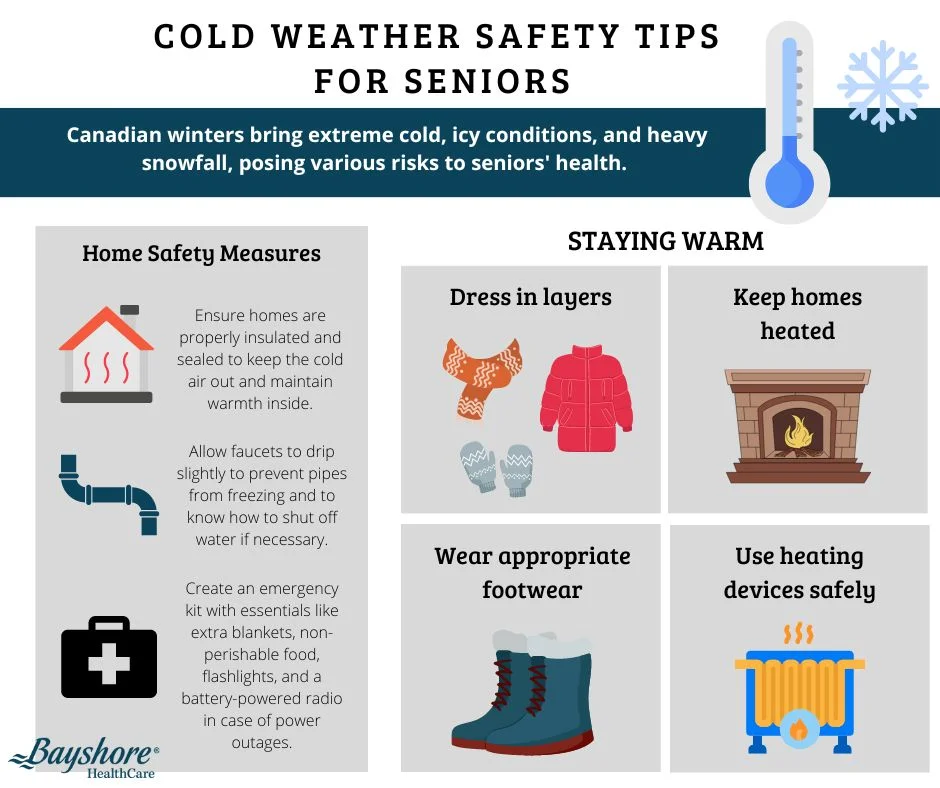
Cold temperatures tighten blood vessels and raise blood pressure.
Winter storm tips for seniors:
- Stock warm, easy-to-prepare foods like soups and oatmeal
- Keep blankets and warm layers nearby
- Stay warm indoors
- Avoid shoveling snow or heavy lifting
- Drink fluids even if you don’t feel thirsty
Cold plus exertion is one of the most common winter heart attack triggers.
Warning Signs Seniors Should Never Ignore
Seek medical help immediately if you experience:
- Chest pressure or tightness
- Shortness of breath
- Pain in the jaw, arm, or back
- Sudden dizziness or nausea
- Extreme or unusual fatigue
Storms do not cancel medical emergencies.
The Most Important Reminder for Seniors
You do not need to be fearless during storms.
You need to be prepared, hydrated, medicated, calm, and rested.
That combination saves lives.
Your health is your lifespan.
Protect it like it matters — because it does.
Storm Safety Self-Check Quiz for Seniors
This Is Not a Test. It’s a Safety Pause.
Take a moment and answer honestly. No one sees your answers.
1. If a storm were to hit tonight, would you have enough food and water for several days?
- Yes, I’m stocked and calm
- Somewhat, but I should shop today
- No, I would need to rush out
2. Do you currently have at least 7 days of your medications in one easy-to-reach place?
- Yes
- Not sure
- No
3. When storms approach, how does your body usually react?
- I stay fairly calm
- I feel tense and restless
- I feel anxious, rushed, or overwhelmed
4. During past storms, have you ever skipped meals, forgotten water, or slept poorly?
- No
- Occasionally
- Yes
5. Do you tend to push yourself physically during storms or cleanup?
- No, I take it slow
- Sometimes
- Yes, I try to handle everything myself
6. If you felt chest pressure, dizziness, or unusual fatigue during a storm, would you seek help right away?
- Yes
- I would wait and see
- I’m not sure
Frequently Asked Questions: Storm Safety for Seniors
Why do heart attacks and medical emergencies increase during storms?
Storms increase stress, disrupt routines, interfere with sleep, and often lead to dehydration and missed medications. Stress tightens blood vessels and raises blood pressure, which increases heart strain.
Is it really important to shop early?
Yes. Crowded stores, long lines, and last-minute panic raise stress levels. Shopping early is not panic buying. It is stress prevention and heart protection.
How much water should seniors keep on hand during storms?
At least one gallon per person per day for several days is a general guideline. Seniors should drink water regularly, even if they are not thirsty, especially during heat waves.
Why is overexertion dangerous during storms?
Physical effort combined with stress increases heart attack risk. This includes lifting heavy items, rushing, shoveling snow, or doing cleanup alone. Many cardiac events happen after storms, not during them.
Should seniors continue taking medications during storms?
Yes. Medications should never be skipped unless directed by a doctor. Seniors should keep at least a 7- to 10-day supply and a written list of medications in case power or phones fail.
Is cold weather dangerous for the heart?
Yes. Cold causes blood vessels to constrict, raising blood pressure and heart workload. Seniors should stay warm indoors and avoid strenuous activity like shoveling.
Why are heat waves risky for seniors?
Heat causes dehydration, thickens the blood, and strains the heart. Seniors may not feel thirsty even when dehydrated. Light meals, water, and staying cool are essential.
Should seniors watch storm coverage nonstop?
No. Continuous alarming news increases anxiety and stress. It’s better to check updates periodically and focus on staying calm and rested.
What symptoms should seniors never ignore during a storm?
Chest pressure, shortness of breath, dizziness, jaw or arm pain, nausea, or sudden extreme fatigue should be treated as medical emergencies. Storms do not cancel medical care.
What is the single most important thing seniors can do to stay safe?
Prepare early, stay calm, drink water, eat simply, take medications, avoid rushing, and rest.
Stress management is just as important as supplies.
Read Other Blogs: Read Now
Subscribe Our: YouTube