
For many years, aging was viewed as a simple, unavoidable progression. As the years passed, physical systems declined, and medicine largely responded after problems appeared.
That assumption is changing.
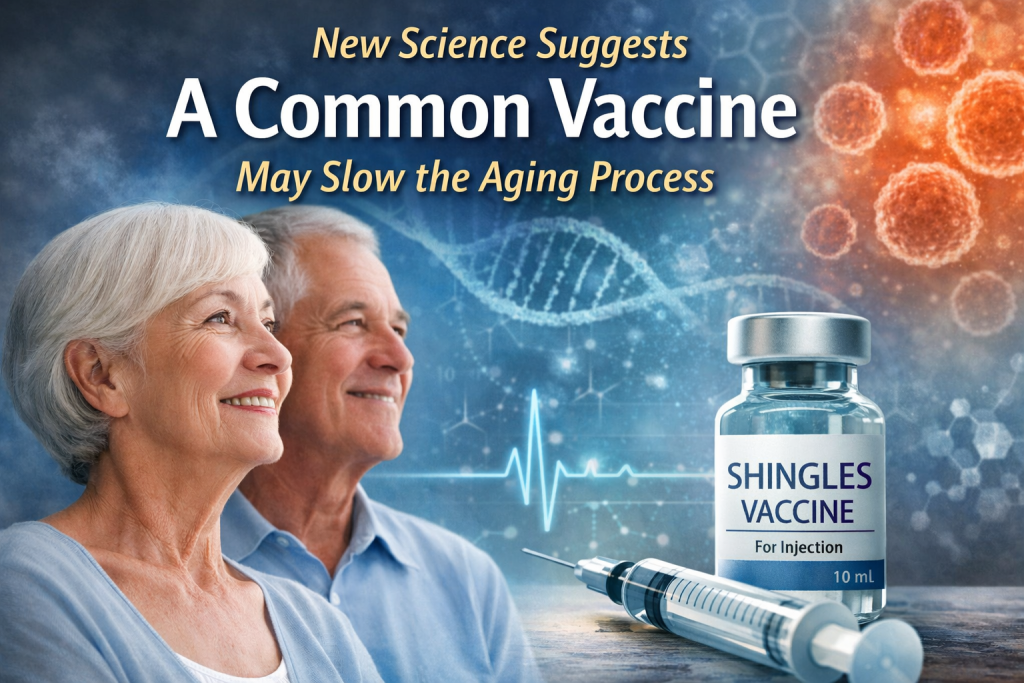
New research suggests that a commonly recommended vaccine for older adults may be associated with slower biological aging, particularly in areas related to immune function and inflammation.
This finding does not focus on appearance or how someone feels day to day. Instead, it examines how the body is aging internally.
Chronological Age vs. Biological Age
Chronological age reflects how many years a person has lived.
Biological age, however, reflects how well the body’s systems are functioning. Researchers assess biological age using measurable indicators such as:
- chronic inflammation
- immune system activity
- cardiovascular and metabolic stress
- cellular and genetic aging markers
Two people of the same chronological age can have very different biological profiles and health trajectories.
What the Research Examined
Researchers analyzed data from thousands of older adults, comparing individuals who had received a shingles vaccine with those who had not.
Rather than focusing only on disease prevention, the study examined multiple biological domains associated with aging, including:
- inflammatory burden
- immune system stress
- cellular aging indicators
- composite biological aging scores
After accounting for demographic and health factors, vaccinated individuals showed more favorable biological aging profiles, particularly in markers related to inflammation and immune regulation.
Why Shingles and Aging Are Connected
The virus that causes shingles remains dormant in the body after childhood chickenpox.
Even without an active shingles outbreak, low-level viral activity can:
- intermittently stimulate the immune system
- increase chronic inflammation
- place ongoing stress on aging tissues
Chronic inflammation is widely recognized as a contributor to age-related conditions such as cardiovascular disease, frailty, and cognitive decline.
Reducing this ongoing immune activation may help explain the association between vaccination and slower biological aging markers.
Important Context
This research is observational, meaning it identifies associations rather than cause-and-effect relationships.
It does not suggest that:
- vaccines reverse aging
- vaccination guarantees longer life
- medical care replaces healthy habits
Lifestyle factors such as regular movement, sleep quality, nutrition, and stress regulation remain essential for healthy aging.
What the findings do suggest is that reducing preventable immune stress may influence how the body ages over time.
The Elderhood Perspective
At Elderhood, the focus is on maintaining resilience while medical science continues to advance.
Research into inflammation control, immune regulation, and age-related disease prevention is progressing rapidly. Many emerging therapies are moving from research settings toward clinical use.
These advances are most meaningful for individuals who maintain functional health while they arrive.
From this perspective, preventive measures that reduce long-term biological stress are viewed as part of a broader strategy for healthy aging.
Frequently Asked Questions
Does the shingles vaccine slow aging?
The research shows an association with more favorable biological aging markers, not proof that aging itself is slowed.
What is biological aging?
Biological aging reflects how well the body’s systems function, based on inflammation, immune activity, and cellular stress indicators.
Is this benefit guaranteed for everyone?
No. Individual health status, lifestyle choices, and existing conditions all influence outcomes.
Does vaccination replace exercise or diet?
No. Vaccination may reduce one source of immune stress, but healthy aging depends on multiple factors.
Self-Check: Could Immune Stress Be Affecting You?
This self-check is not diagnostic. It is meant to raise awareness.
Answer Yes, Sometimes, or No:
- Do minor illnesses seem to linger longer than they used to?
- Do you experience persistent stiffness or nerve discomfort?
- Is your sleep often unrefreshing?
- Do you feel more fatigued than expected for your age?
- Have you been told you have ongoing inflammatory or immune-related issues?
Several Yes or Sometimes responses may suggest immune stress worth discussing with a healthcare provider.
Understanding comes first.
The decision is always yours.