
Why Today’s Seniors Are a New Generation
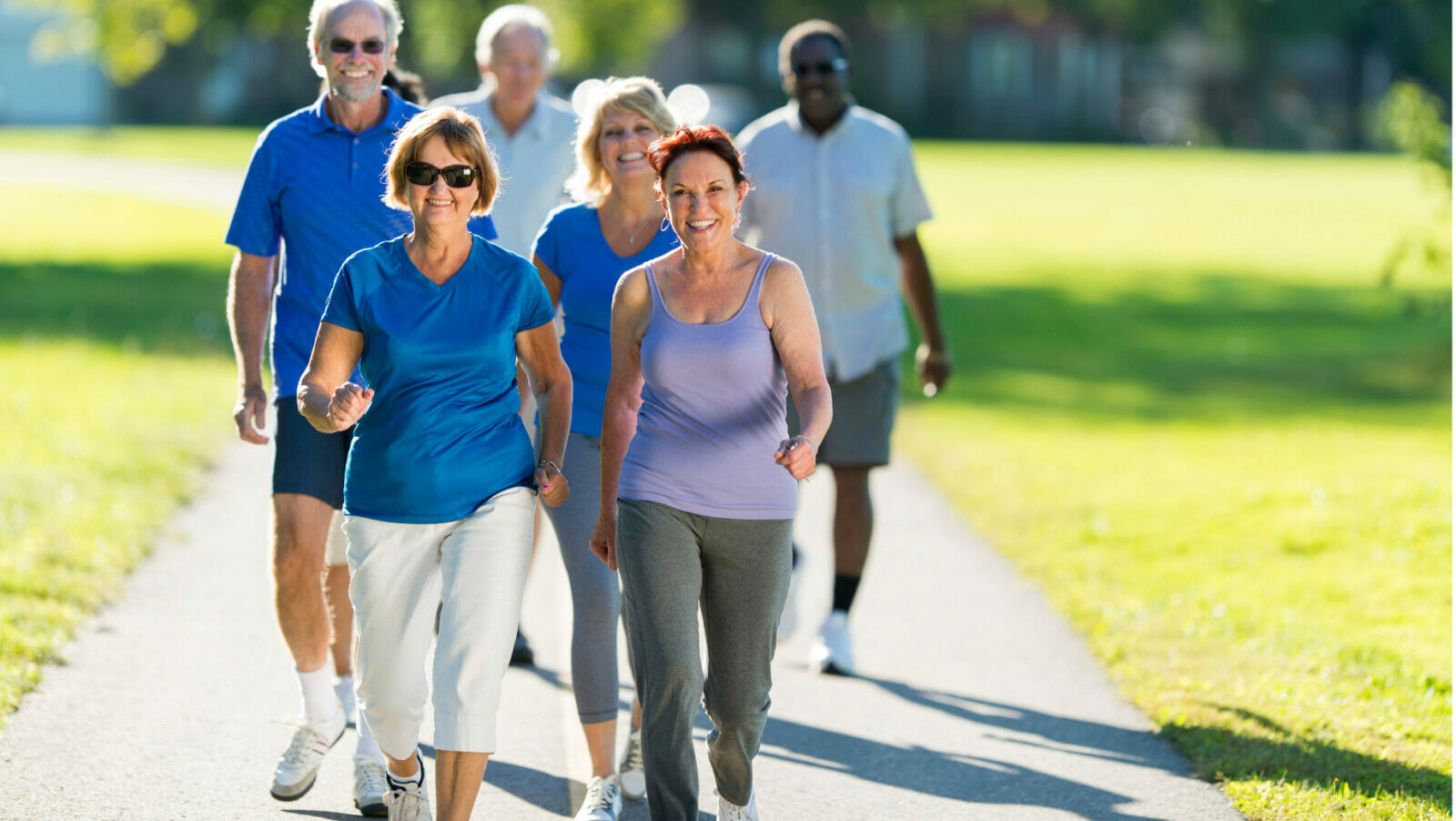
For most of history, old age meant withdrawal.
You worked, you retired, you slowed down, and you quietly stepped aside. That model no longer fits the world we live in, and it certainly does not fit the people now entering their 60s, 70s, and 80s.
What we are experiencing today is not “old age.”
It is Elderhood.
And the difference matters more than most people realize.
What Seniors Are Really Searching for Today
Across the United States, older adults are typing these questions into Google every day:
- What does aging well really mean
- How to stay independent as a senior
- Why do people decline after retirement
- How to stay mentally sharp after 65
- How to stay active in your 70s and 80s
- Why aging feels faster after retirement
- How to avoid becoming isolated as a senior
These are not medical questions.
They are life questions.
And the answers are not found in pills, policies, or motivational slogans.
They are found in how we live.
Old Age vs Elderhood: A Critical Distinction
Old age is passive.
Elderhood is active.
Old age assumes decline is inevitable.
Elderhood assumes capability until proven otherwise.
Old age says, “Take it easy.”
Elderhood asks, “What’s next?”
The most dangerous idea in aging is not illness.
It is disengagement.
When seniors disengage from life, the body follows.
Loss of Independence Does Not Start With Illness
This is one of the most misunderstood truths of aging.
Loss of independence rarely starts with disease.
It starts with less movement.
- Fewer outings
- Shorter trips
- More “maybe tomorrow”
- Staying home because it feels easier
Then one day, the world feels smaller.
Not because it changed.
Because you did.
Seniors often assume decline begins in the body. In reality, it begins in behavior.
Movement is not exercise.
Movement is access.
And access is life.
Why Retirement Accelerates Aging for Many Seniors
Retirement was sold as freedom. For many people, it becomes a quiet trap.
Work once provided:
- Structure
- Social contact
- Daily movement
- Mental engagement
- A reason to get up
When that structure disappears, nothing automatically replaces it.
The body interprets this as a signal.
If the world requires less of you, the body gives less back.
This is not philosophy.
This is biology.
The human body is an efficiency system. It conserves resources when demand drops.
That conservation looks like aging.
Elderhood Requires Structure, Not Hope
Hope is not a system.
Good intentions are not a plan.
Elderhood requires structure.
Structure is what keeps:
- Movement consistent
- Social contact intentional
- Mental stimulation regular
- Purpose visible
Seniors who age well do not rely on motivation. They rely on routines that protect them from drift.
Drift is the enemy.
The Silent Epidemic Facing Seniors: Shrinking Worlds
One of the greatest threats to seniors today is not heart disease or cancer.
It is isolation.
Isolation:
- Accelerates cognitive decline
- Weakens immunity
- Increases depression
- Reduces physical activity
- Shortens lifespan
This happens quietly.
No sirens.
No diagnosis.
Just fewer invitations, fewer reasons to leave the house, fewer conversations.
Elderhood demands resistance to this shrinkage.
Not with force.
With participation.
Staying Relevant Is the New Survival Skill
In past generations, relevance faded with age.
Today, relevance is optional.
Seniors now live in a world where:
- Information is accessible
- Learning never stops
- Technology removes physical barriers
- Experience still matters
But relevance does not happen automatically.
It requires:
- Curiosity
- Adaptation
- Engagement
- Willingness to learn
Relevance is not about being young.
It is about being involved.
Modern Medicine Is Catching Up—If You Stay in the Game
Here is the quiet optimism most seniors never hear.
Modern medicine is advancing faster than at any time in history.
Breakthroughs in:
- Longevity science
- Regenerative medicine
- Brain health
- Mobility preservation
are accelerating.
But medicine only helps those who remain active long enough to benefit.
Elderhood is not about denying age.
It is about staying alive to the future.
Elderhood Is a Role, Not a Retirement Status
Historically, elders served a purpose:
- Teachers
- Guides
- Story keepers
- Advisors
Modern society forgot this role. Elderhood restores it.
Elderhood says:
- Your experience matters
- Your voice is relevant
- Your participation is needed
This is not nostalgia.
It is responsibility.
How Seniors Can Actively Practice Elderhood
Elderhood is not an attitude. It is behavior.
It shows up in small, repeatable actions:
- Daily movement outside the home
- Regular social contact
- Ongoing learning
- Intentional routines
- Saying yes more than no
None of this requires youth.
It requires decision.
The Choice Facing Every Senior
Aging will happen either way.
The choice is whether you:
- Shrink or expand
- Withdraw or engage
- Drift or structure
- Wait or participate
Old age happens automatically.
Elderhood does not.
Final Truth, Senior to Senior
The body does not die because it is old.
It declines when it feels unnecessary.
Participation tells the body: We are needed.
Isolation tells the body: We are done.
Elderhood is action.
Not denial.
Not pretending.
Not nostalgia.
Action.
While you are still here, live.
Move.
Engage.
Participate.
Because aging is inevitable.
Decline is not.
Read Our Blogs: Blog