
For decades, society lumped everyone over 65 into one category: “old.”
That label no longer fits reality.
Something fundamental has changed, and many people have not caught up yet.
Today’s seniors are living longer, thinking clearer, moving better, and expecting more from life than any generation before them. They are not drifting into decline. They are entering a new life stage — one that deserves its own name.
That name is Elderhood.
Old Age Was About Decline
Elderhood Is About Direction
Old age used to mean limitation.
Elderhood means choice.
Past generations often faced poor nutrition, limited medical care, and rigid social roles. Retirement was viewed as withdrawal from relevance.
That is not the world seniors live in today.
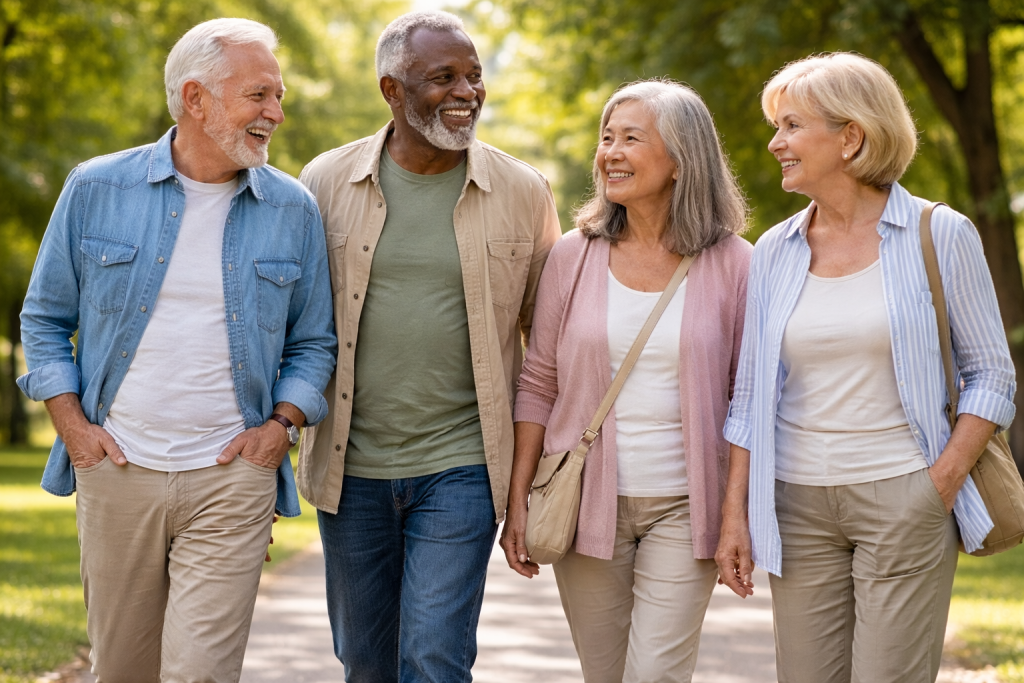
Modern seniors travel, start businesses, learn new technologies, form new relationships, and question outdated assumptions about aging. They are not waiting quietly on the sidelines. They are still participants.
Why the Old Model of Aging No Longer Works
The traditional narrative says life peaks in midlife and slowly slides downhill.
That story fails on several levels:
- It ignores advances in medicine, nutrition, and mobility
- It underestimates emotional maturity and life experience
- It assumes curiosity fades with age
- It treats seniors as problems to manage instead of people to respect
Most damaging of all, it conditions seniors to expect less from themselves.
Expectations shape behavior.
Behavior shapes outcomes.
Elderhood Is a Psychological Shift First
Elderhood begins in the mind.
When people stop identifying as “old,” something interesting happens. They stop shrinking. They ask better questions. They take responsibility for how they feel, what they learn, and how they live.
This does not mean pretending nothing hurts or denying reality. It means responding consciously instead of drifting passively.
Elderhood is not about fighting age.
It is about using age well.
The Strength Most Seniors Forget They Have
Experience.
No app, algorithm, or trend replaces decades of lived knowledge. Seniors have navigated careers, families, loss, risk, failure, recovery, and reinvention. That wisdom does not expire.
Yet society rarely reflects that value back to them.
Elderhood restores the idea that experience is not baggage. It is leverage.
A Generation That Refuses to Disappear
Today’s seniors are the first generation to live long enough to redefine what later life looks like.
They are:
- Healthier longer
- More independent
- More connected globally
- More aware of mental and emotional wellbeing
- Less willing to be patronized
This generation does not accept being managed.
They want to understand.
And understanding leads to better decisions.
Elderhood Is About Staying Engaged With Life
Engagement is the real dividing line — not age.
People who stay mentally, socially, and emotionally engaged age differently than those who withdraw. Elderhood emphasizes participation over protection.
That includes:
- Asking questions
- Learning new ideas
- Caring about the future
- Staying connected to others
- Taking responsibility for well-being
None of these require youth.
They require intention.
Why Elderhood Matters Now
We are living through a demographic shift the world has never seen before. More people are living longer than ever — and they are doing it with expectations.
The question is no longer how long we live.
The question is how we live while we’re here.
Elderhood exists to answer that question calmly, honestly, and without pressure.
Final Thought
Elderhood is not denial.
It is definition.
It is the recognition that later life is not a fade-out — it is a phase with its own rules, responsibilities, and possibilities.
Old age is something that happens to you.
Elderhood is something you step into.
And once you do, life looks very different.