
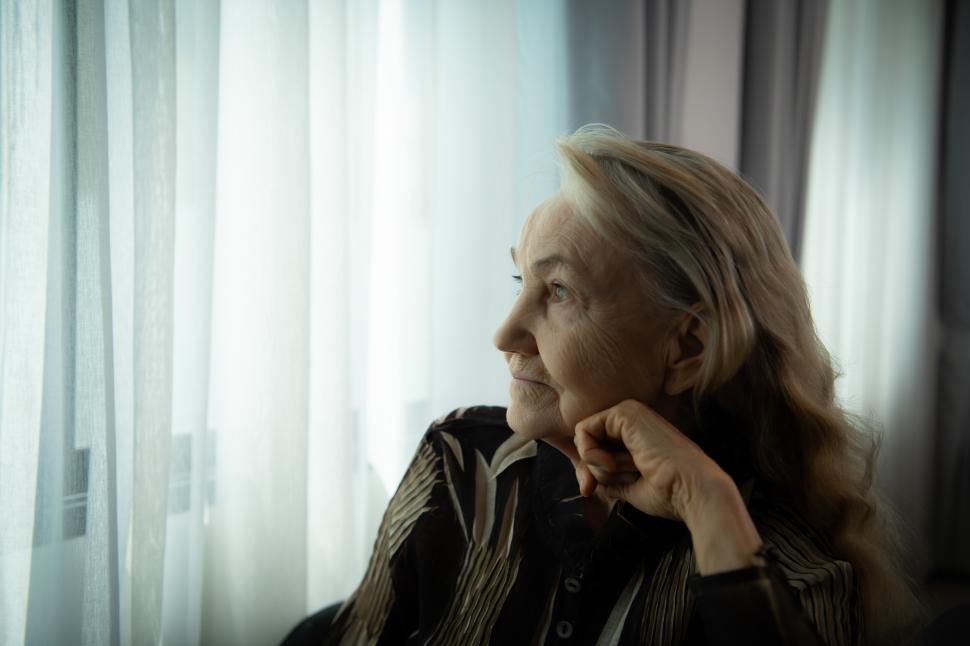
It’s the Most Honest Stage of Life
There’s a quiet lie baked into modern culture.
It says that aging is a narrowing.
A shrinking.
A slow step out of relevance.
That lie didn’t come from biology.
It came from a society obsessed with speed, novelty, and youth.
Elderhood is not decline. It’s clarity.
What Elderhood Really Is
Elderhood is the stage of life where illusions wear out.
You’ve lived long enough to know:
- What matters — and what never did
- Which problems repeat — and which ones actually matter
- That time is finite — and therefore valuable
Earlier stages of life are about accumulation:
- Experiences
- Roles
- Status
- Expectations
Elderhood is about discernment.
You stop asking, “What should I be doing?”
And start asking, “What deserves my time?”
That shift is not loss.
It’s refinement.
Why Society Misunderstands Elderhood
Modern systems depend on distraction.
Fast decisions.
Impulse choices.
Endless noise.
Elderhood threatens that model because it brings:
- Pattern recognition
- Emotional resilience
- Perspective earned through lived experience
People in Elderhood see through nonsense faster.
They’re harder to manipulate.
They’re less impressed by surface-level promises.
So Elderhood gets reframed as weakness.
That framing is convenient — not accurate.
The Quiet Power of Elderhood
Something changes as people enter Elderhood.
You begin to value:
- Calm over chaos
- Depth over volume
- Meaning over momentum
You stop needing:
- Constant validation
- Approval from strangers
- Speed to feel alive
This is the stage where people finally understand that attention is currency.
And you spend it more carefully.
Elderhood and Independence
One of the most damaging myths about aging is that it requires surrendering control.
In reality, Elderhood demands more ownership, not less.
Ownership of:
- Health decisions
- Financial choices
- Time
- Attention
Delegating without understanding is not freedom.
It’s dependency.
Elderhood isn’t about doing everything yourself —
it’s about knowing why you choose what you choose.
Why Language Matters
Words shape expectations.
“Senior” suggests reduction.
“Elderly” suggests fragility.
Elderhood suggests:
- Authority
- Experience
- Continuity
It treats aging as a stage of life, not a diagnosis.
That distinction matters.
Elderhood Is Not About Going Back
This isn’t nostalgia.
Elderhood isn’t about pretending you’re younger or reliving the past.
It’s about:
- Standing fully in the present
- Using what you’ve learned
- Making intentional choices
You don’t need to chase relevance.
Relevance follows people who are grounded.
Final Thought
If life were a book, Elderhood wouldn’t be the ending.
It would be the chapter where the author finally understands the story.
Not rushed.
Not desperate.
Not distracted.
Clear.
And clarity is not the end of life.
It’s the beginning of living on purpose.
Frequently Asked Questions About Elderhood
Is Elderhood just another word for “senior”?
No. Elderhood describes a stage of life defined by awareness and experience, not age or decline.
Does Elderhood mean slowing down?
It means slowing unnecessary things down. Many people become more intentional and effective in Elderhood, not less active.
Is Elderhood only about aging?
No. It’s about how perspective changes over time — emotionally, mentally, and philosophically.
Why does Elderhood feel uncomfortable at first?
Because it removes distractions and illusions that once provided identity. That discomfort often precedes clarity.
Is Elderhood a loss of ambition?
It’s a shift in ambition — from accumulation to meaning.
Can Elderhood be empowering?
Yes. For many, it’s the most grounded and self-directed stage of life.
Elderhood Reflection Quiz
(For self-awareness — not scoring)
1. Which best describes Elderhood?
A. A period of decline
B. A medical stage
C. A stage of clarity and discernment
D. A withdrawal from life
2. What tends to matter more in Elderhood?
A. Speed
B. Approval
C. Meaning
D. Novelty
3. Why does modern culture struggle with Elderhood?
A. It doesn’t fit marketing narratives
B. It challenges impulse-driven systems
C. It reduces distraction
D. All of the above
4. What changes most as people enter Elderhood?
A. Physical strength
B. Social relevance
C. Perspective and attention
D. Intelligence
5. Elderhood encourages more of which quality?
A. Dependence
B. Ownership
C. Passivity
D. Withdrawal
6. Elderhood is best understood as:
A. The end of ambition
B. A return to youth
C. A refined stage of living
D. A time to stop deciding
One Last Reminder
Elderhood isn’t something that happens to you.
It’s something you step into — consciously or not.
And when embraced with awareness,
it becomes one of the most honest and grounded stages of life there is.