
For most of our lives, we were told something very simple:
Aging means decline.
- You slow down
- You forget more
- You lose strength
- You become… less
And if you listen carefully, that message is still everywhere.
But here’s the problem:
Modern science is starting to contradict that story.
And not in a small way—in a fundamental way.
The Old Model of Aging
The traditional view of aging treated the body like a machine that simply wears out.
Over time:
- Parts break
- Systems fail
- Energy declines
And while there’s some truth to that, it’s incomplete.
Because it ignores something critical:
The body is not just wearing down—it’s constantly adapting.
What Science Is Now Showing
Researchers today are looking at aging differently.
Instead of asking, “Why do we decline?”
They’re asking:
“What helps people stay strong longer?”
And the answers are surprising.
1. The Body Responds to Use
One of the clearest findings is this:
What you use, you keep.
What you don’t use, you lose.
Muscle, balance, coordination—even aspects of brain function—all respond to activity.
This explains why some people in their 70s and 80s remain active and capable, while others decline much earlier.
It’s not just age.
It’s engagement.
2. The Brain Remains Adaptable
For years, we were told the brain stops changing after a certain age.
That’s not true.
Through the concept of Neuroplasticity, we now understand that the brain can:
- Form new connections
- Adapt to challenges
- Improve with use
Even later in life.
This is why learning, social interaction, and mental stimulation matter more than ever.
3. Inflammation Plays a Bigger Role Than Age
Many age-related issues are now being linked to chronic inflammation.
Not just:
- Joint pain
- Heart disease
But also:
- Cognitive decline
- Fatigue
- General health deterioration
Which means aging is not just about time passing.
It’s about what’s happening inside the body over time.

4. Lifestyle Has a Compounding Effect
Small daily habits don’t seem like much in the moment.
But over years, they compound.
- Movement supports mobility
- Nutrition supports energy
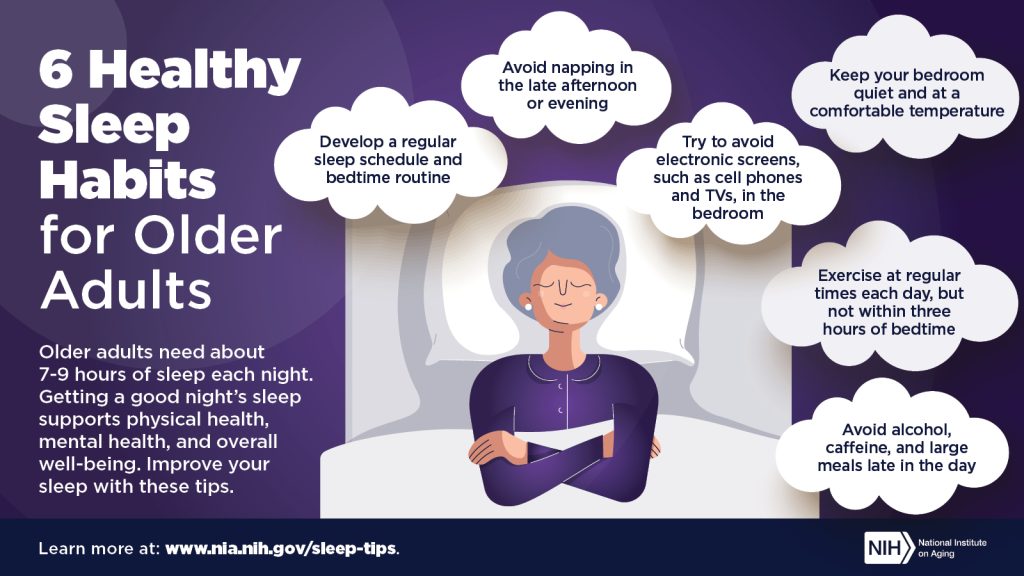
- Sleep supports recovery
And together, they influence how we age more than most people realize.
The New Reality of Aging
This is where things shift.
Aging is not a fixed path.
It’s a range of possibilities.
On one end:
- Decline
- Dependence
- Limited mobility
On the other:
- Activity
- Engagement
- Independence
And most people fall somewhere in between—depending on how they live.

Why This Matters Right Now
For the first time in history, we have:
- Better information
- Longer lifespans
- More control over lifestyle choices
Which means this generation of seniors is doing something new.
They are not just growing older.
They are redefining what it means to age.
The Elderhood Perspective
This is where the idea of Elderhood comes in.
Not as a stage of decline.
But as a stage of:
- Awareness
- Experience
- Choice
You’ve seen enough to know what matters.
You’ve lived enough to understand what works.
Now the question becomes:
How do you use that knowledge moving forward?

Final Thought
If the past told us aging was about losing…
The present is showing us something different.
Aging is not just about time.
It’s about how you respond to that time.
And that response may matter more than the number of years behind you.
Read Other Blog :- Read Now
FAQ Section
1. Is aging really something we can influence?
Yes. While we cannot stop aging, research shows that lifestyle choices can significantly influence how we age.
2. What is neuroplasticity?
Neuroplasticity refers to the brain’s ability to form new connections and adapt, even later in life.
3. Does exercise really make a difference after 60?
Absolutely. Regular movement helps maintain strength, balance, and overall health.
4. Why is inflammation important in aging?
Chronic inflammation is linked to many age-related conditions and can affect overall well-being.
5. What is the biggest takeaway about aging today?
Aging is not just decline—it’s a process that can be influenced by daily habits and choices.