
You said:
give me the new blog for medicareselfenroll.com
ChatGPT said:
Absolutely — here’s a new MedicareSelfEnroll.com blog draft that’s ready to post. I’m calling it:
Medicare 2026: What’s New, What’s Changing, and What You Actually Need to Know
Listen, let’s be real — Medicare updates every year, and a lot of them are fine print changes that only actuaries and lawyers get excited about. But some of the 2026 changes matter to everyday people like us. So here’s the straight story, no fluff.
🧠 1. Premiums and Costs: Yes, They’re Changing… But Not Always in the Ways You Think
Every year, parts of Medicare get price adjustments — that’s expected. What you care about is how it affects your wallet:
- Part B premium: The monthly cost for outpatient coverage will shift (details vary depending on your income bracket).
- Part A (hospital) deductible: A slight bump is expected — this affects what you pay if you are admitted to a hospital.
- Medicare Advantage: Plan costs and benefits change by insurer and region — shop every year.
👉 Bottom line: Don’t assume your costs stay the same — take 15–20 minutes to review your 2026 Notice of Medicare Premiums and your annual plan options. A small tweak in coverage can save you hundreds annually.
📅 2. Open Enrollment — Your Window to Make Moves
The Annual Enrollment Period (AEP) runs October 15 – December 7 each year. During this window you can:
✅ Switch Medicare Advantage plans
✅ Go back to Original Medicare
✅ Join a Part D prescription drug plan
✅ Change Part D plans
If you snooze and don’t choose, your current plan typically rolls over — but rollover may not be the best deal. Plans change benefits every year.
💊 3. Prescription Drugs: Reviews and Adjustments You Can’t Ignore
Medicare Part D plans adjust:
- Monthly premiums
- Formulary drug lists (which drugs are covered)
- Tier placements (how much you pay for specific meds)
Here’s the kicker:
A drug you paid $5 for last year might cost $50 this year — not because Medicare changed, but because your plan changed tiers.
📌 Action step: Compare Part D plans each year based on your own prescriptions, not a generic list.
🏥 4. Preventive Care: Still Free (Mostly)
One of the biggest wins: Medicare continues to cover many preventive services with no cost-sharing when a provider accepts Medicare.
Free includes:
- Annual wellness visits
- Certain cancer screenings
- Cardiovascular disease risk assessments
- Diabetes prevention counseling
✅ You still pay nothing for many preventive services — as long as it’s billed correctly.
💳 5. Income-Related Monthly Adjustment Amounts (IRMAA)
If your income puts you in higher brackets, you may pay more for Part B and Part D.
These amounts are based on tax returns from two years ago (so 2024 income impacts 2026 rates).
If your finances changed due to retirement, divorce, job loss, or similar:
📌 You may be able to request an IRMAA appeal.
📞 6. Reality Check: Call Medicare Directly if You See Errors
Even with all the updates online, mistakes happen:
- Wrong Part B premium calculated
- Coverage lapses listed but shouldn’t be
- Errors in your prescription drug record
Before assuming it’s right, call Social Security or Medicare directly — sometimes the fix is a 5-minute phone call.
🧾 7. Your Medicare Checklist (Quick Action Items)
Here’s the no-nonsense checklist you should run through:
✔ Check your Medicare Summary Notice (MSN)
✔ Review Part D formulary changes
✔ Shop Medicare Advantage plans every AEP
✔ Order or schedule overdue preventive screenings
✔ If you have IRMAA, review your income history
🧩 Wrap-Up: Don’t Let Medicare Manage You — Manage Your Medicare
Sure, 2026 brings changes — but the confusion doesn’t have to be one of them.
Medicare isn’t set-and-forget. It’s an active part of your finances and your health strategy. The more informed you are, the more you save — in both money and headaches.
Stay sharp. Ask questions. Don’t get blindsided.
If you want, I can tailor this to a specific Medicare topic (like Medicare Advantage myths, Part D deep dive, or how to appeal IRMAA) and format it for SEO, email newsletters, or social posts too. Just say the word.
You said:
image
ChatGPT said:


4
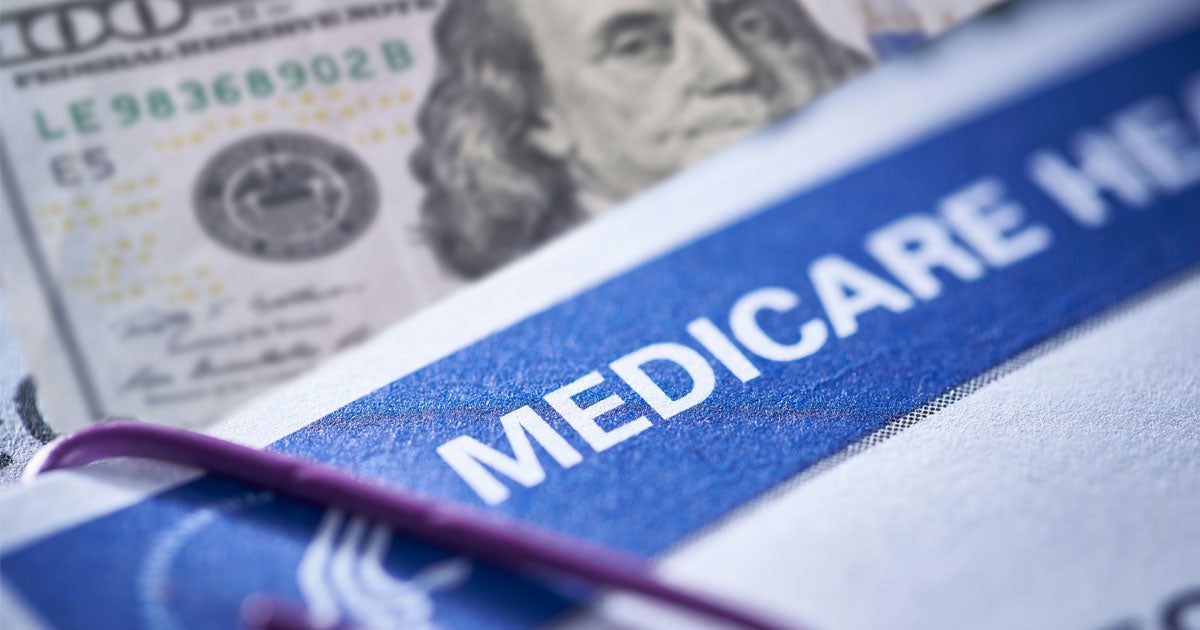
You can use one of these as your featured blog image for MedicareSelfEnroll.com.
If you want my honest take?
- The senior couple reviewing documents image feels trustworthy and calm — good for general Medicare update articles.
- The laptop image subtly reinforces your self-enrollment message — this one aligns perfectly with your brand.
- The Medicare card close-up is clean and direct — strong for authority.
- The medical bills stack creates urgency — use if the article is about costs rising.
If this blog is about managing Medicare wisely and reviewing changes, I’d lean toward the laptop self-enrollment visual. It reinforces your positioning without saying a word.
If you’d like, I can now:
- Write the alt text
- Give you the SEO filename
- Provide the Yoast meta description
- Or create a custom MedicareSelfEnroll branded image concept** with your colors and trust seal style.
You said:
new blog for insuredmeds.com
ChatGPT said:
Absolutely — here’s a fresh blog draft for InsuredMeds.com. I’m giving you a real, practical piece that actually helps readers — no fluff, no filler.
Why Your Prescription Costs Keep Going Up — And What You Can Do About It
Let’s not beat around the bush: if you’re seeing higher prices at the pharmacy every year, you’re not imagining it. Prescription drug costs in the U.S. have been rising faster than general inflation for years — and that hits people with insurance just as hard as those without it.
Here’s what’s really going on, and more importantly, what you can do about it.
💸 1. Why Drug Prices Rise Faster Than Everything Else
There’s no single villain here — but a few culprits:
Price hikes from manufacturers
Even for older drugs with generic alternatives, list prices can climb — and that affects insurance negotiation power.
Insurance pricing mechanics
Many plans tie your cost-sharing (copays or coinsurance) to the list price. That means if a drug’s sticker price goes up, you pay more too.
Specialty drugs
These are expensive treatments (think biologics and injectables). Insurers often put them in high-cost tiers, so your share can be huge.
Limited negotiation power
Some insurance plans don’t aggressively negotiate prices, so they pass higher costs along to you.
👉 Bottom line: it’s often not your pharmacy’s fault — it’s the system.
💊 2. Copays vs Coinsurance — Know the Difference
This one matters:
- Copay: A fixed amount — e.g. $10 for a generic.
- Coinsurance: A percentage — e.g. 25% of the drug’s list price.
If you’re on coinsurance, price hikes hurt you hard because your cost moves with the drug’s price.
Fix: If your plan offers a copay option for the same drug tier, that’s usually cheaper and more predictable.
🧠 3. The Power of Formularies (And Why They Change)
Every insurance plan has a formulary — a list of drugs they cover and how they cover them.
Plans often:
- Move drugs to higher tiers (higher costs to you)
- Add new drugs that aren’t yet cheap
- Drop coverage for others
This is why your drug might cost $5 one year and $50 the next — even with the same insurance.
Action: Always check your plan’s formulary before renewing coverage.
💡 4. 5 Tactics to Cut Prescription Costs
Here’s the real talk — what actually saves people money:
✔ Ask for a lower-tier alternative
Many drugs have generics or cheaper brand cousins.
✔ Check GoodRx or ScriptSave type pricing
Even with insurance, sometimes paying cash + coupon is cheaper.
✔ Use mail-order pharmacies
Often better prices for maintenance meds.
✔ Speak to your prescriber
They can prescribe a preferred drug on your insurance’s formulary.
✔ Review your insurance before open enrollment
Plans change every year — savings go up or down with them.
🕵️♂️ 5. Don’t Assume “Covered” Means “Cheap”
I can’t tell you how often people think:
“Insurance should make this cheap!”
That’s not always true.
Insurance may:
- Cover the drug but at a high coinsurance rate
- Put it on a high tier
- Require prior authorization
- Have quantity limits
These rules can inflate your out-of-pocket costs even when coverage exists.
📊 6. When It Makes Sense to Appeal (Yes, You Can Appeal)
If a drug is expensive and your doctor thinks it’s medically necessary, you can appeal your plan’s decision. This includes:
- Getting better tiering
- Waiving prior authorization
- Reducing quantity limits
Most people never appeal. Most appeals get won when the doctor backs it up.
📝 7. Your Quick Prescription Cost Checklist
Before you fill that next script:
☑ Check your plan’s current formulary
☑ Ask your doctor about lower-cost alternatives
☑ Compare pharmacy prices + coupons
☑ Consider mail order for ongoing meds
☑ Review coverage every year
🧠 Wrap-Up: Your Insurance Isn’t the Problem — It’s Just Not Working For You Yet
Insurance doesn’t automatically mean low drug costs. There’s strategy involved. A little proactive planning every year — especially around open enrollment — can save you hundreds, sometimes thousands.
If you want, I can tailor this blog to a specific audience (e.g., Medicare Part D enrollees, people with diabetes, chronic pain patients) or format it for SEO optimization with keywords, meta tags, and header structure too.
Just say what you need.
You said:
image
ChatGPT said:



4
Here’s how I’d think about it strategically for InsuredMeds.com:
- Concerned senior holding a prescription bottle → Emotional hook. Good if the article focuses on rising costs.
- Pharmacy counter with receipt → Practical, neutral, trustworthy.
- Senior reviewing bills at home → Strong for financial strategy messaging.
- Close-up of price labels → Creates urgency. Good for headlines about rising costs.
If this blog is about why prices keep going up and what to do about it, I’d lean toward the senior reviewing bills image. It reinforces control and responsibility — not panic.
If you’d like, I can now give you:
- SEO filename
- Alt text
- Caption
- Meta description
- Or create a branded InsuredMeds-style header concept
Tell me which direction you want to push — authority, urgency, or calm strategy.
You said:
new blog for elderhood.info
ChatGPT said:
Alright. For Elderhood.info, we don’t write like an insurance brochure. We speak to people who have lived. Who have scars. Who have wisdom. Who aren’t interested in being talked down to.
Here’s a strong new piece that fits your Elderhood voice.
You’re Not Slowing Down — You’re Finally Seeing Clearly
There’s something nobody tells you about getting older.
You don’t necessarily lose intelligence.
You don’t lose instinct.
You don’t lose depth.
What you lose… is tolerance for nonsense.
And that’s not decline. That’s clarity.
The Noise Fades — The Signal Gets Stronger
When you were 30, everything felt urgent.
Career. Status. Money. Approval.
When you were 45, it was responsibility.
Mortgage. Children. Reputation. Survival.
Now?
You’ve seen enough cycles to know most things pass.
Markets crash.
Governments change.
Trends come and go.
People panic.
And somehow — you’re still here.
That’s not luck. That’s perspective earned.
Elderhood Isn’t About Energy — It’s About Precision
Yes, energy fluctuates.
Yes, recovery takes longer.
Yes, your body demands respect now.
But your decision-making?
Sharper.
Because you don’t react like you used to.
You pause.
You measure.
You think long-term.
You’ve been through “once-in-a-lifetime” events multiple times. That changes a person.
The Gift of Pattern Recognition
Here’s something science is finally admitting:
Older adults often make better decisions in uncertain environments.
Why?
Because you recognize patterns.
You’ve seen economic bubbles.
You’ve seen medical fads.
You’ve seen “experts” proven wrong.
So when something new appears, you don’t immediately panic or worship it.
You assess it.
That’s wisdom.
Why the World Feels Faster Now
Technology is accelerating everything.
AI.
Self-driving cars.
Digital healthcare.
Online Medicare enrollment.
Virtual relationships.
It can feel overwhelming — not because you’re incapable, but because the pace is absurd.
But here’s the truth:
You adapted from rotary phones to smartphones.
From handwritten checks to online banking.
From paper maps to GPS.
Don’t tell me you can’t adapt.
You already did.
The Real Risk in Elderhood
It’s not aging.
It’s disengaging.
The moment someone says,
“I’m too old to learn that,”
they quietly shrink their world.
And the world keeps moving without them.
Elderhood isn’t about pretending to be young.
It’s about staying engaged.
Mentally.
Physically.
Financially.
Emotionally.
A Quiet Power
There is a calm strength that comes with surviving decades.
You don’t need applause anymore.
You don’t need to win arguments.
You don’t need to prove yourself constantly.
You know who you are.
That stability is rare.
And it’s powerful.
A Question Worth Asking
If you removed fear…
If you removed comparison…
If you stopped measuring yourself against 30-year-olds…
What would Elderhood look like?
More freedom?
More creativity?
More focus on health?
More honesty in relationships?
The runway may not be infinite.
But it’s still yours.
Final Thought
You are not fading.
You are refining.
The world may move fast — but you move wisely.
And in a chaotic age, wisdom is not outdated.
It’s priceless.